If you’re after more new patients for your sports or neuro practice, here’s a practical strategy you can implement this week. It leverages the power of interprofessional relationships to build your referral base without any advertising spend.
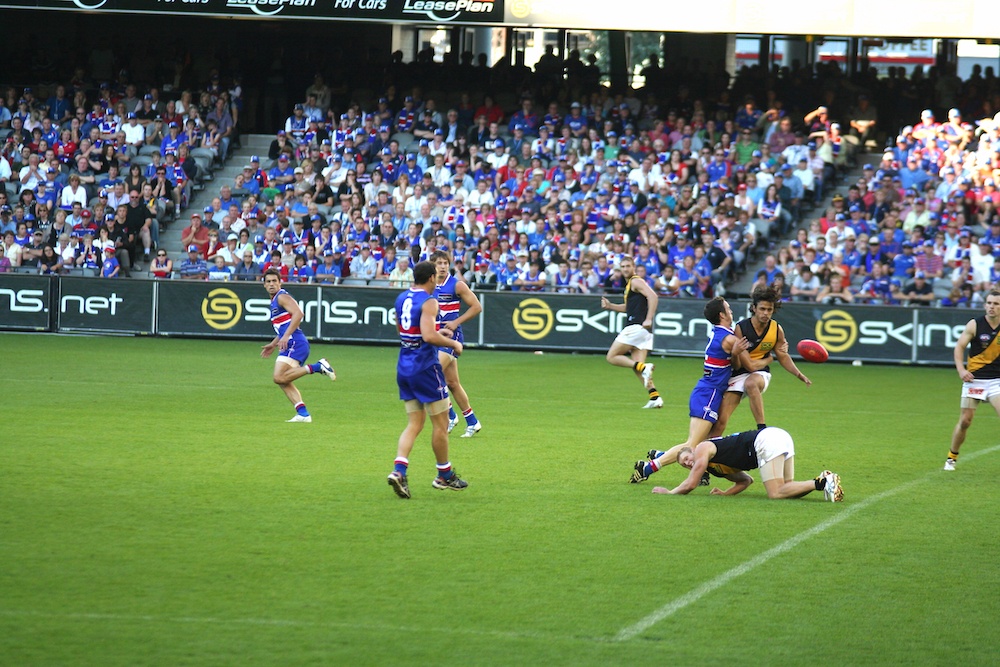
At the start of the contact sports season in Australia, research supports the value of pre-season screenings. They give you a documented baseline you can use to monitor recovery and judge return-to-play fitness after a head injury. Ideally, every player in a contact sport should have one done.
The Dentist Connection
The start of the contact sports season also means lots of players visiting the dentist to have custom mouthguards made. People understand the concept of protecting their teeth. Not many of them think about the value of a pre-season concussion screening — but if a trusted professional like their dentist mentioned it, they’d be far more likely to act on it.
Spending a little time educating local dentists about what pre-season screenings involve and why they matter can result in a steady stream of referrals.
How To Do It
- Go to Google and search “dentist [your suburb]” or “custom mouthguard near me”. Make a list of practices and their contact details.
- Call each practice one by one. Ask to speak with the practice manager or lead dentist. Request 5 minutes to come in and speak with their team about pre-season concussion screenings — explaining that dentists are in a uniquely important position to pass this information to their patients.
- Visit the practice. Bring a short, professional flyer about the screenings that dentists can simply hand to relevant patients — make it as easy as possible for them to refer.
- When referrals start coming in, acknowledge them. A brief letter or phone call goes a long way. If a dentist becomes a significant referral source, consider a small gift as a thank-you — just be mindful that health professionals need to be careful about accepting anything that could be construed as a kickback for referrals.
How To Run A Screening
Whether you charge for screenings is your decision. Some practices find that the exposure and goodwill generated by free or low-cost screenings is worth it; others charge a modest fee. Either can work.
What matters is deciding what to include. A balance or stabilometry assessment forms a good foundation — Balance Concepts’ Pondera2 system comes in under $1,500, compared to $15,000+ for many other platforms. Some practices also include cognitive testing.
Whatever you assess, you need a documented baseline that can be referenced if a player later sustains a head injury. Give every patient a copy — something tangible they take home increases the perceived value of the service and reinforces your credibility.
Upselling Your Care
If you discover deficits during testing, let the patient know and offer to help them resolve those issues before the season starts. Emphasise the increased injury risk of playing with unresolved problems. When they’re already in your office is the ideal time to ask whether they’d like to book a full consultation.
Also ask about pre-existing injuries. Many athletes have niggles they’ve been ignoring. A simple question — “is there anything else you’d like us to look at while you’re here?” — can convert a screening into a full appointment.
Following Up
This is where most practices fall down. Research suggests it typically takes between 5 and 12 touch points for someone to commit to care. Following up with people who have screenings is where the real return comes from.
Check in every few months during the season. A brief call to ask how things are going, whether they’ve had any injuries, and whether they’ve needed to use their baseline data. At the end of the season, contact them to book their screening for next year.
These calls don’t need to be salesy. Simply taking the time to call makes an impression and keeps you top of mind when something does go wrong. Build the follow-up schedule into your team’s diary from the start — otherwise it won’t happen.